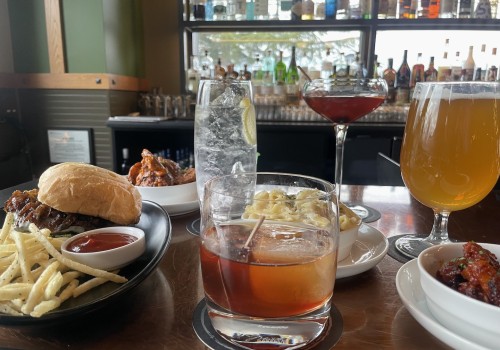
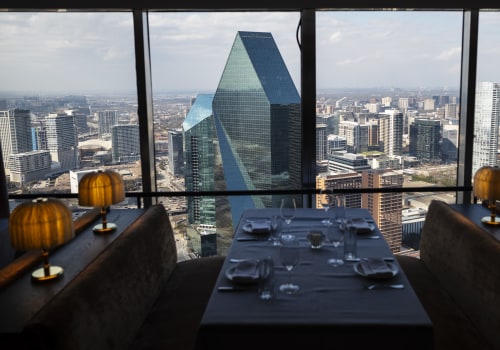
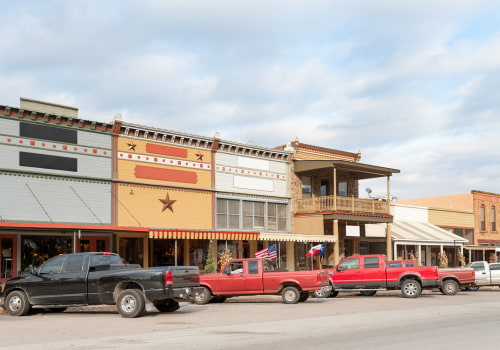
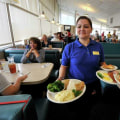
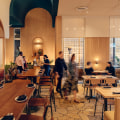
Community diners in Central Texas continue serving as important gathering places where residents connect over familiar meals, local traditions, and neighborhood culture. Many of these diners have operated for years and are closely tied to the identity of the communities they serve. As populations grow and customer expectations evolve, many diner owners are choosing to renovate, expand, or modernize their buildings to improve seating capacity, update kitchens, enhance accessibility, and create more comfortable dining environments. While customers often notice only the finished upgrades once renovations are complete, the process of adapting during construction can be extremely challenging for small restaurant owners. Renovations often require temporary closures, equipment relocations, storage coordination, and operational adjustments that must be carefully managed to avoid major disruptions to staff, customers, and daily business operations.
Why Renovations Create Major Operational Challenges
Unlike larger restaurant chains with multiple locations, many community diners operate from a single property and depend heavily on consistent daily customer traffic to remain profitable. Even short disruptions during renovations can create financial pressure, especially when construction affects seating areas, kitchens, parking access, or customer visibility. Some diners choose to remain partially open during renovations by operating from temporary kitchen setups or modified dining spaces while work continues in other sections of the building. This requires careful coordination of furniture movement, equipment relocation, temporary storage, and construction scheduling to maintain safe and functional working conditions. In some cases, owners may need to temporarily relocate refrigerators, prep stations, booths, tables, or cooking equipment while flooring, plumbing, electrical systems, or interior renovations are completed. These adjustments can become especially difficult in older buildings where space is already limited and construction timelines may change unexpectedly due to permitting delays or supply shortages.
Equipment Relocation and Storage Play a Critical Role
Commercial restaurant equipment is often large, heavy, and difficult to move without proper planning and transportation support. Ovens, grills, freezers, dishwashing systems, counters, and seating areas must frequently be relocated during renovation phases to protect them from construction damage and allow contractors access to work areas. Some diners also rely on temporary off-site storage for décor, furniture, or extra inventory until renovations are complete. Efficient logistics become extremely important because restaurant owners are often working under tight schedules to reopen as quickly as possible and minimize lost revenue. Delays in equipment transportation or reinstallation can directly affect reopening timelines and customer service operations. Reliable support from providers such as a Round Rock moving company can help restaurant owners safely transport commercial equipment, organize temporary storage, and coordinate phased relocation schedules that reduce operational stress during renovation projects.
Community Diners Continue Evolving With Growing Neighborhoods
As Central Texas communities continue expanding, many longtime diners are adapting to changing customer expectations and increased competition by modernizing their spaces while still preserving the local atmosphere that makes them unique. Renovations often allow businesses to improve efficiency, add seating, update décor, and create more welcoming environments for both longtime customers and new residents moving into the area. However, maintaining operations during these transitions requires extensive planning behind the scenes that many customers never see. Transportation coordination, temporary workspace adjustments, equipment protection, and organized storage solutions all play important roles in helping community diners remain operational throughout renovation periods. Although guests may eventually enjoy the updated dining experience without noticing the challenges that occurred during construction, successful renovations often depend heavily on efficient logistics and careful operational planning. In many ways, organized moving and storage support has become an essential part of helping Central Texas diners continue growing while preserving their place as valued community gathering spaces.